Transaction Networks and Privilege Structures in Portable Reel Play and Sports Wager Platforms
Written by Klara Simmons · Aug 6, 2026
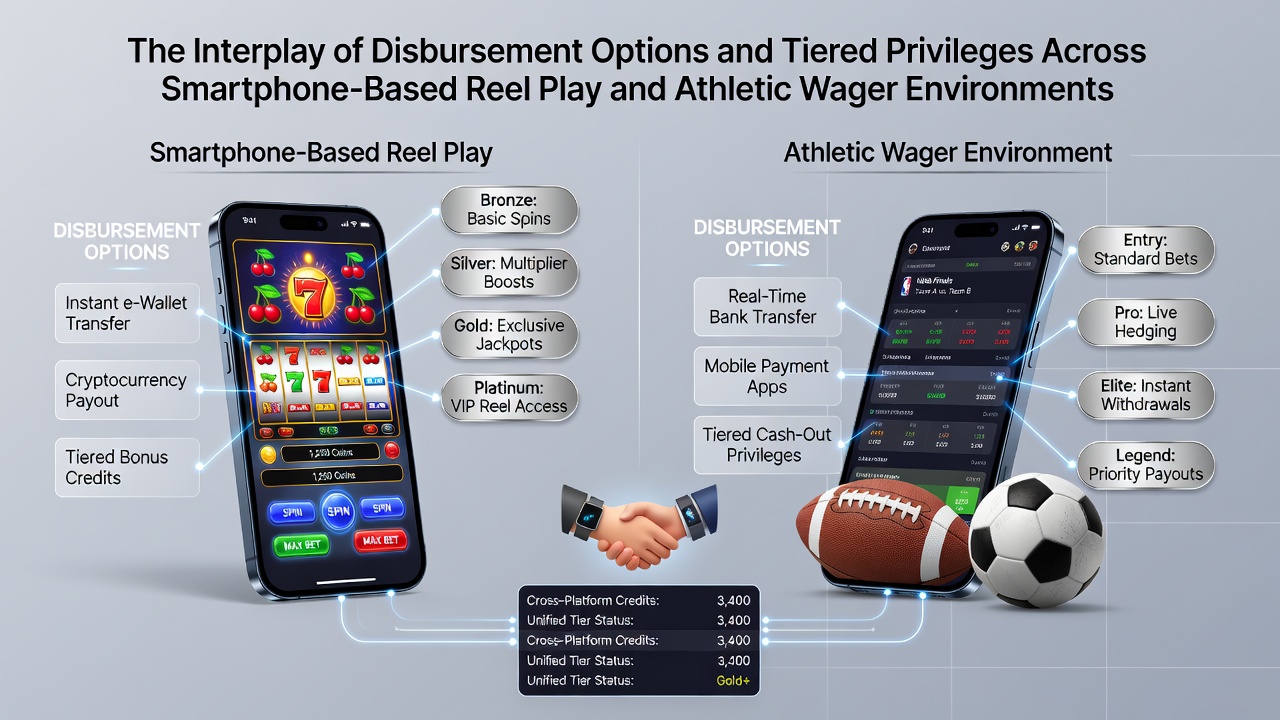
Transaction Networks and Privilege Structures in Portable Reel Play and Sports Wager Platforms
Payment pathways and status tiers intersect across smartphone applications that combine automated reel sessions with live athletic markets, where disbursement speed and method often determine how quickly users advance through loyalty layers. Research from the New Jersey Division of Gaming Enforcement shows that platforms processing withdrawals via instant bank transfers or digital wallets record higher monthly activity volumes among mid-tier participants compared with those limited to traditional card settlements.
Observers note that reel-focused environments frequently tie deposit velocity directly to tier progression, so users who select e-wallet options reach elevated reward brackets faster than those relying on slower ACH routes. This linkage appears because cumulative spend thresholds reset on fixed cycles, and quicker funding cycles allow repeated participation before each window closes.
Disbursement Methods Shaping Access Patterns
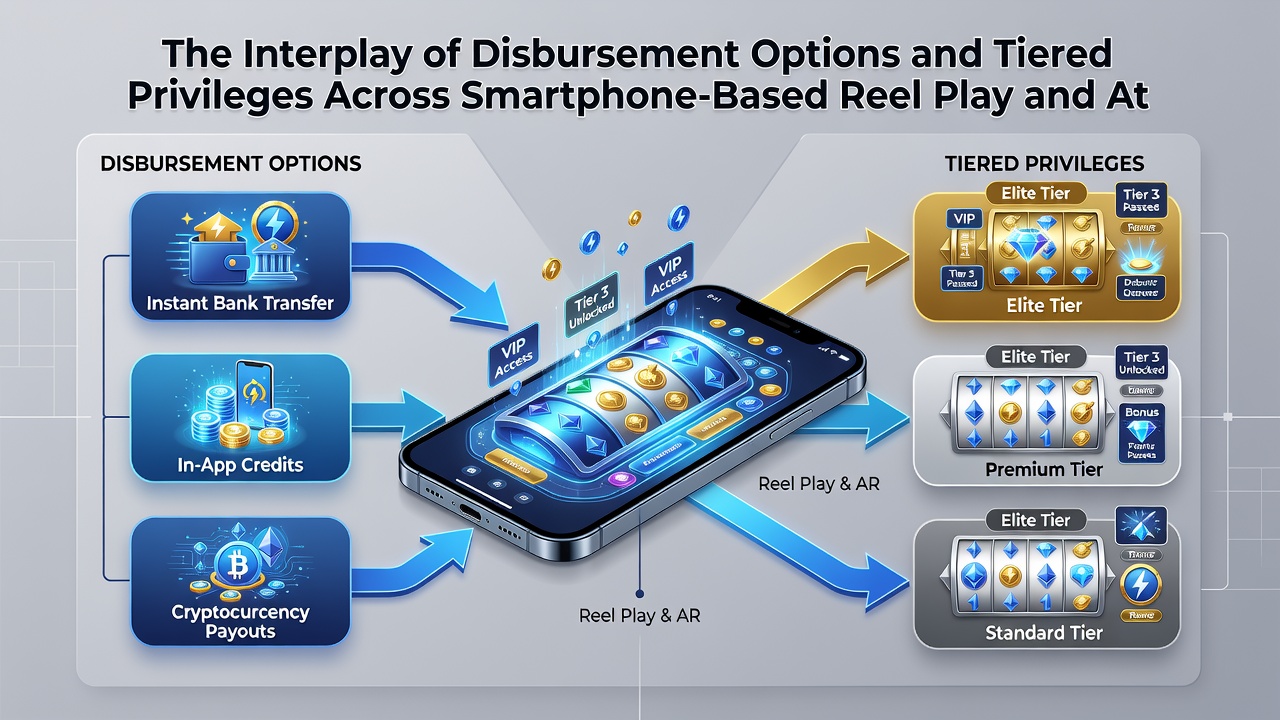
Multiple transaction types operate within these combined environments, ranging from cryptocurrency settlements and prepaid vouchers to direct carrier billing and established digital wallets. Data compiled by the Massachusetts Gaming Commission indicates that applications offering at least four distinct disbursement channels experience broader retention across lower and middle privilege bands during the first half of 2026. Users who switch between methods mid-cycle often maintain consistent play volume because each option carries different fee structures and confirmation times.
Platforms blend reel mechanics with athletic event markets through unified account ledgers, which means a single deposit can simultaneously unlock reel bonuses and sports-specific multipliers. When instant payout features activate upon reaching a new tier, participants tend to redirect those released funds back into additional wagers rather than external accounts. This recirculation pattern strengthens the connection between chosen disbursement tools and ongoing privilege maintenance.
Tier Advancement Tied to Funding Velocity
Privilege ladders in these mobile settings typically rest on metrics that include total deposits, withdrawal frequency, and average transaction size. Studies released by the Australian Gambling Research Centre demonstrate that participants who utilize faster settlement networks accumulate the required points for tier upgrades within shorter timeframes than those using conventional banking rails. The difference becomes measurable once monthly activity exceeds a baseline of fifteen transactions across both reel and sports sections.
One documented case involved a platform that introduced carrier billing as a new option in spring 2026, after which the proportion of users reaching the third privilege level increased by eighteen percent over the subsequent quarter. The same study found that tier benefits, such as reduced wagering requirements on reel bonuses and priority access to live event odds, activated automatically once the system recorded three consecutive instant disbursements.
Regional Compliance Influences on Combined Ecosystems
Regulatory frameworks across different jurisdictions shape how disbursement options integrate with tier systems. In regions where instant payout verification requires additional identity checks, platforms adjust their tier algorithms to credit verified transactions more heavily. Figures released by the Singapore Gambling Regulatory Authority reveal that operators incorporating region-specific compliance layers into their funding modules maintain steadier tier migration rates throughout summer months, including August 2026, when seasonal sports calendars intensify activity.
Those who manage both reel sessions and athletic wagers within one application encounter unified reporting requirements, which means transaction histories from each vertical contribute equally to status calculations. This unified tracking reduces fragmentation and allows users to leverage a single set of payment preferences across both content types without resetting progress toward higher tiers.
Future Trajectories for Integrated Systems
Industry reports project continued expansion of real-time settlement options as smartphone hardware supports faster biometric confirmation. As these tools mature, the distance between deposit action and tier benefit activation is expected to narrow further, particularly in markets where athletic events and reel content run concurrently on the same interface. Observers tracking platform updates note that several operators began testing tiered fee rebates tied directly to chosen disbursement methods during the second quarter of 2026.
Conclusion
The documented connections between available transaction channels and privilege advancement continue to influence user behavior across smartphone reel and sports wager environments. Evidence from multiple regulatory and research bodies shows that faster, more flexible disbursement networks correlate with accelerated movement through status layers, while compliance requirements add measurable friction that operators offset through algorithmic adjustments. These dynamics remain central to how combined mobile platforms structure participation incentives and reward pathways.