Resorts World Challenges New York Gaming Commission Over Separate Racing Support Payments
Written by Yara Günther · Jun 2, 2026

Resorts World Challenges New York Gaming Commission Over Separate Racing Support Payments
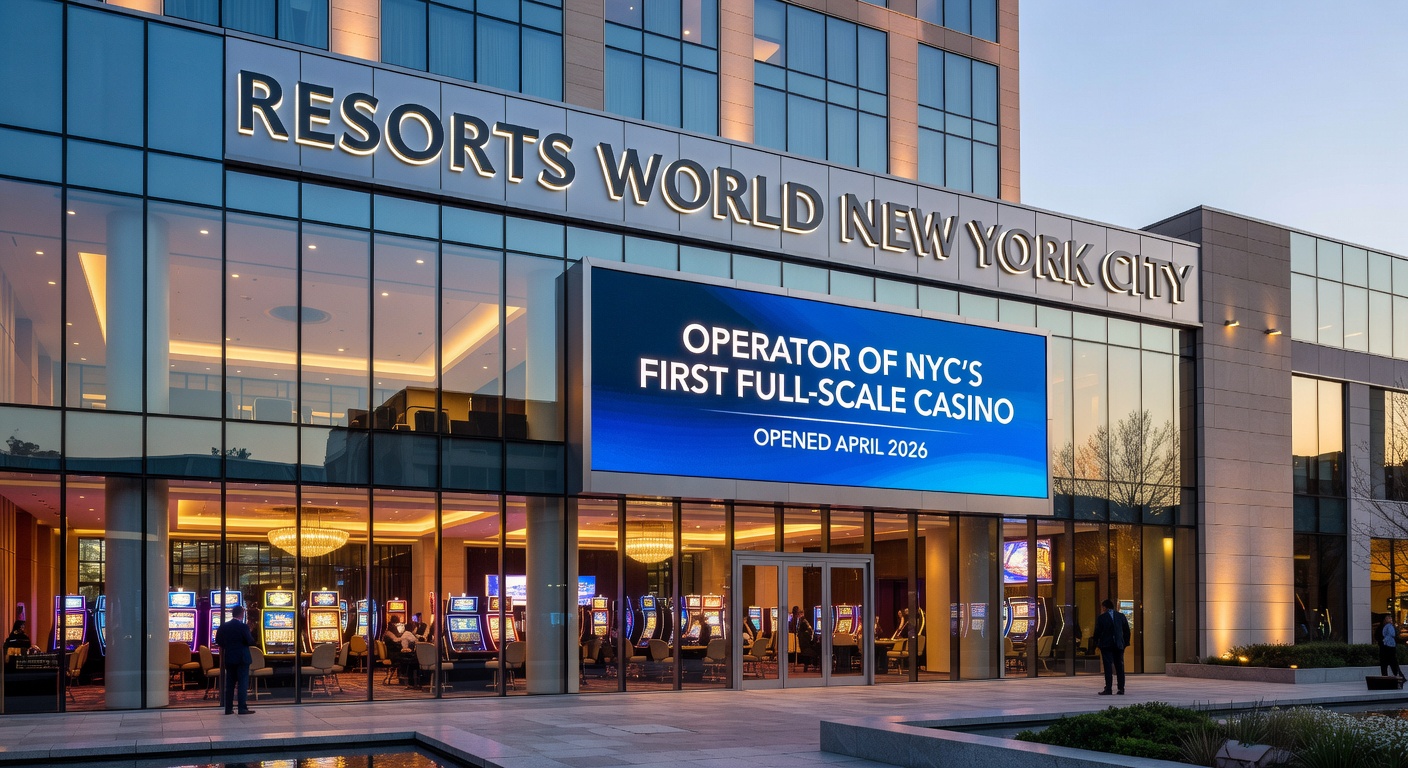
Resorts World has opened New York City’s first full-scale casino at the Aqueduct Racetrack site in Queens in April 2026 and now finds itself locked in a disagreement with the New York State Gaming Commission regarding “racing support” payments to the state’s horseracing industry. Observers note the company projects these contributions at a minimum of $150 million each year and potentially more than $500 million across four years while the commission insists the amounts must be paid on top of the operator’s 56 percent tax rate bid. Resorts World maintains the payments form part of that tax obligation yet the commission holds they require separate remittance and the company has responded by proposing legislation that would draw the funds directly from the commercial gaming revenue fund.
Background on the Casino Opening and Tax Structure
The Aqueduct Racetrack facility began full commercial gaming operations in April 2026 after Resorts World secured the license under a competitive bidding process that included a 56 percent tax rate on gross gaming revenue. Data from the New York State Gaming Commission shows this rate exceeds those applied to other commercial casinos in the state and was presented as part of a package that already accounted for ongoing support to the horseracing sector. Those who have reviewed the bid documents indicate Resorts World calculated the racing support contributions within the overall tax commitment rather than as an additional line item.
State regulators however interpret existing statutes differently and require the payments to flow separately to ensure dedicated funding reaches the horseracing industry regardless of how operators structure their tax bids. This interpretation has created the current standoff even as the casino generates revenue from table games slots and other offerings introduced at the Queens location.
Details of the Payment Dispute
Under the terms outlined in the original license agreement Resorts World argues the projected $150 million annual racing support figure already sits inside its 56 percent tax rate and therefore satisfies the obligation without further transfers. The New York State Gaming Commission counters that the statute mandates separate payments and that the tax rate applies only to general revenue obligations while racing support must remain distinct. Figures released in early June 2026 show the cumulative four-year exposure could surpass $500 million if calculated independently and this gap has prompted Resorts World to seek legislative clarification rather than continue administrative negotiations.
Commission officials have maintained their position through formal correspondence while Resorts World has pointed to its bid documentation as evidence that the racing support component was disclosed and incorporated at the time of licensing. Those familiar with similar cases in other jurisdictions note that such interpretive differences often arise when tax rates are set at high levels and multiple funding streams compete for the same revenue pool.
Legislative Proposal and Current Status in June 2026
In response to the impasse Resorts World drafted proposed legislation that would authorize the racing support payments to be drawn directly from the commercial gaming revenue fund rather than requiring the operator to remit them separately. The measure aims to align the statutory language with the original bid assumptions and eliminate the double-counting concern that has surfaced between the company and regulators. As of June 2026 the proposal remains under review with no final action reported by state lawmakers.
Stakeholders on both sides continue to exchange information and the commission has not yet assessed any penalties or altered the casino’s operating license. People who track gaming policy in New York observe that the outcome could influence how future tax bids incorporate earmarked industry support payments and whether legislative fixes become standard when large-scale facilities open under complex revenue-sharing rules. According to Commercial Casinos records the state maintains detailed allocations for each licensed property yet the current dispute centers on whether those allocations sit inside or outside the headline tax rate.
Implications for Revenue Allocation
Resorts World’s position emphasizes that its 56 percent tax rate already delivers substantial state revenue while simultaneously meeting horseracing support needs and that requiring separate payments would effectively raise the total burden beyond the bid terms. The commission’s stance preserves the dedicated funding mechanism that predates the Aqueduct project and ensures the horseracing sector receives consistent support irrespective of how individual operators calculate their tax liabilities. Data compiled through June 2026 indicates the commercial gaming revenue fund holds sufficient balances to accommodate the proposed legislative solution without disrupting other allocations.
Observers note the disagreement has not interrupted daily operations at the Queens facility which continues to offer live table games and other amenities launched at the April opening. The matter now rests with state legislators who must decide whether to amend the statute or uphold the commission’s interpretation through administrative channels.
Conclusion
The dispute between Resorts World and the New York State Gaming Commission over racing support payments highlights the tension between bid commitments and statutory funding requirements at New York’s newest commercial casino. With annual projections starting at $150 million and four-year totals potentially exceeding $500 million the outcome will determine how the 56 percent tax rate interacts with separate industry obligations. Resorts World’s legislative proposal offers one path toward resolution by routing payments through the commercial gaming revenue fund and state action in the coming months will clarify the framework for this and future projects.