Payment Ecosystems Quietly Guiding Loyalty Advances in Hybrid Gaming Platforms
Written by Ellis Griffin · Sep 4, 2026
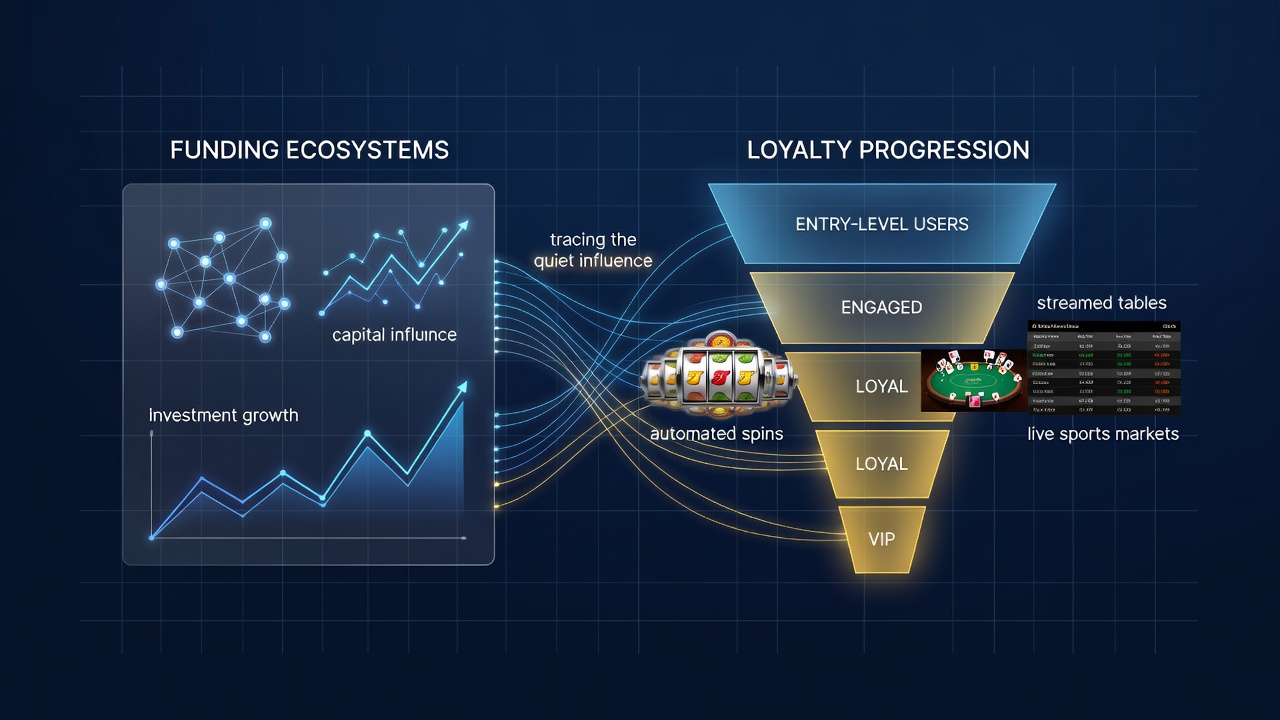
Payment Ecosystems Quietly Guiding Loyalty Advances in Hybrid Gaming Platforms
Transaction networks sit at the center of loyalty progression inside applications that combine automated spins, streamed tables, and live sports markets, and their structure determines how quickly users move between status tiers. Data from multiple jurisdictions shows that deposit speed, fee structures, and verification requirements directly affect the rate at which points accumulate and rewards unlock. In September 2026, platform operators reported measurable differences in tier advancement when users selected instant-payment options versus traditional bank transfers.
Transaction Speed and Tier Requirements
Automated spins generate steady point accrual through volume play, yet the initial funding step sets the pace for everything that follows. When an app accepts e-wallet deposits that clear in seconds, users reach minimum spend thresholds for bronze or silver status faster than those relying on card processing that can take days. Streamed tables add another layer because live dealer sessions often carry higher per-hand minimums, and the same payment rails determine whether those bets count toward monthly qualification targets without delay.
Live sports markets introduce variable timing because odds fluctuate and events occur in real time, so funding methods that allow instant top-ups give players the ability to respond to live lines without losing status momentum. Observers note that applications with unified wallets across all three formats record higher retention once users clear the first two tiers, largely because the friction between deposit and play drops.
Fee Structures and Point Multipliers
Many programs attach bonus multipliers to deposits made through specific rails, and these multipliers compound across reel sessions, table streams, and sports wagers. A user who funds via a low-fee instant option may receive 1.5 times the standard points on the same wager amount compared with a user who pays a processing surcharge. Figures released by the New Jersey Division of Gaming Enforcement in late 2026 indicated that apps offering such differentiated rewards saw a 12 percent increase in cross-format activity among mid-tier players.
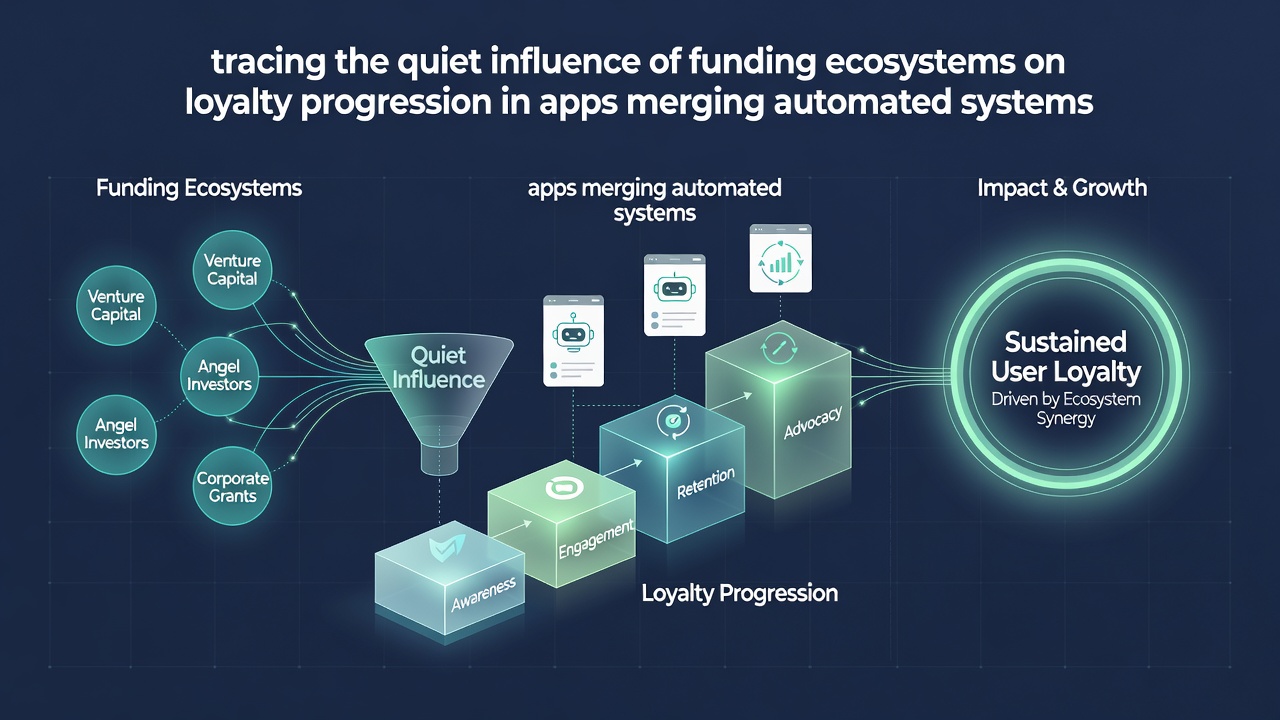
Those multipliers also influence which games receive the most play. When sports markets carry higher multipliers during major events, users shift activity from automated spins to live odds, yet the underlying payment ecosystem still governs how much of that activity converts into permanent tier status. Researchers tracking user cohorts found that participants who consistently used the same low-friction rail across formats reached gold or platinum levels an average of three weeks earlier than mixed-method users.
Verification and Cross-Border Considerations
Verification layers add another variable. Applications that complete identity checks once and then allow seamless movement between reels, tables, and sports maintain momentum, whereas repeated checks on each format slow progression. In regions where regulatory frameworks require source-of-funds documentation for larger deposits, the choice of rail determines whether those checks occur at the first transaction or only after cumulative volume crosses a threshold.
International users face additional variables because currency conversion fees and settlement times differ by provider. Platforms that partner with global networks report steadier loyalty curves in those segments, since users avoid repeated verification pauses that reset monthly qualification windows.
Platform Design Choices and Data Patterns
Design choices inside the apps themselves reinforce these patterns. Unified dashboards that display remaining requirements for the next tier across all three verticals encourage users to select payment methods that keep balances topped up. When loyalty engines calculate points in real time and display them immediately after each spin, table hand, or settled sports bet, the visibility itself prompts quicker follow-up deposits through the same rail.
Industry reports from the Australian Communications and Media Authority highlight that apps displaying unified progress metrics retain users longer once they enter the upper tiers, partly because the payment ecosystem removes the need to switch providers mid-session. Those same reports note that loyalty programs tied to single rails show lower churn during periods of regulatory change, since users already understand the deposit and withdrawal flow.
Conclusion
Payment ecosystems therefore function as the hidden infrastructure that either accelerates or impedes loyalty movement inside applications blending automated spins, streamed tables, and live sports markets. The speed of deposits, the presence of fee-based multipliers, the timing of verification steps, and the visibility of cross-format progress together determine how users advance. Data collected through September 2026 continues to show that these quiet mechanics produce measurable differences in tier distribution, even when the visible game content remains constant across competing platforms.