Mobile Platforms Combine Reel Mechanics and Live Sports Markets to Advance Player Tiers Through Flexible Payment Networks
Written by Klara Simmons · Aug 20, 2026
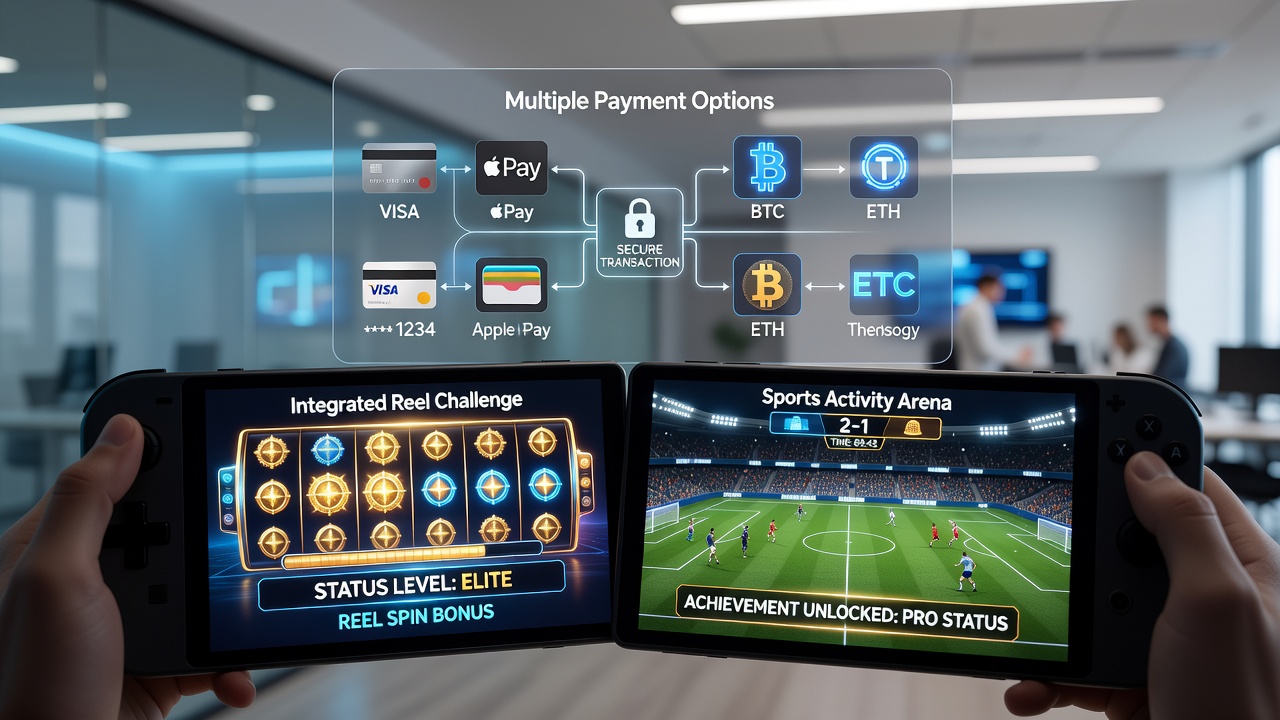
Mobile Platforms Combine Reel Mechanics and Live Sports Markets to Advance Player Tiers Through Flexible Payment Networks
Handheld gaming applications now link automated reel sequences directly to live athletic event markets, allowing users to progress through loyalty tiers by participating in both activity types within a single session. Data from regulatory filings shows that several North American operators recorded increased tier advancement rates during the first half of 2026 when payment options expanded beyond traditional card processing. Observers note that these combined environments rely on real-time data feeds that update reel outcomes and sports probabilities simultaneously, creating continuous engagement loops that accumulate status points faster than isolated game formats.
Mechanics of Reel and Sports Integration
Developers structure handheld applications so that reel spins trigger conditional sports wagers, while live event results can unlock additional reel features or bonus rounds. According to figures released by the New Jersey Division of Gaming Enforcement, mobile sports wagering volume grew 14 percent year-over-year through July 2026, with operators reporting that users who alternated between reel play and event markets maintained higher average session durations. Payment networks sit at the center of this loop because each transaction type carries distinct processing speeds that affect how quickly points post to player accounts. Multiple funding methods, including instant bank transfers, digital wallets, and prepaid cards, reduce delays between activity cycles and thereby accelerate visible progress toward higher status levels.
Payment Flexibility and Tier Progression
Research conducted by the American Gaming Association indicates that platforms offering at least four distinct payment rails experienced 22 percent higher monthly active user retention compared with single-method systems during the same period. Those rails typically include ACH transfers for larger deposits, e-wallet instant top-ups, cryptocurrency options in licensed jurisdictions, and direct carrier billing for smaller increments. Each method carries different fee structures and settlement times, yet all feed into the same unified loyalty ledger. Experts have observed that players who switch between faster and slower rails often maintain steadier point accumulation because they avoid interruptions when one network experiences temporary congestion.
Regional Patterns in August 2026
Reports compiled for August 2026 show that Canadian provincial operators in Ontario and British Columbia introduced cross-product status programs that reward combined reel and sports activity with tiered comps such as enhanced withdrawal limits and personalized event access. Meanwhile, data released by the Nevada Gaming Control Board documented a 9 percent rise in mobile-only tier upgrades during the same month, coinciding with expanded support for instant funding through regional banking partners. These programs operate under strict responsible gaming parameters that cap daily activity levels regardless of payment speed, ensuring that status advancement remains tied to sustained participation rather than single large transactions.
Technical Infrastructure Supporting Status Systems
Backend platforms synchronize reel random number generators with sports data providers through standardized APIs that log every transaction and outcome against individual player profiles. Industry reports from the Canadian Gaming Association highlight that this unified logging reduces reconciliation errors and allows operators to display real-time tier meters within the application interface. Multiple payment processors connect to the same ledger, so a deposit completed via digital wallet immediately unlocks the next reel feature or sports market without requiring separate balance transfers. Operators maintain audit trails that regulatory bodies review quarterly to confirm that status calculations remain transparent and free from manipulation.
Examples of Layered Incentive Structures
One documented case involves a platform that awards status points for both the volume of reel spins completed and the accuracy of sports event predictions made during the same login period. Points convert into tier milestones that unlock higher withdrawal thresholds and priority customer service routing. Another implementation grants bonus reel entries when users fund accounts through certain payment methods during live sports windows, creating short-term incentives that still contribute to long-term tier progress. Figures shared by academic researchers at the University of Nevada, Las Vegas, suggest these layered structures increase cross-product engagement without altering the underlying house-edge mathematics of individual games.
Conclusion
Integrated reel and sports environments supported by diverse payment options continue to shape how handheld gaming platforms calculate and display player status. Regulatory data from multiple jurisdictions confirm that expanded transaction flexibility correlates with higher rates of tier advancement when combined activity is tracked within unified ledgers. As August 2026 figures illustrate, these systems operate under established compliance frameworks that prioritize transparent point tracking and responsible participation limits across all funding methods.