Flexible Funding Networks Accelerate Loyalty Tiers Across Mobile Casino Ecosystems
Written by Yara Perry · Jul 23, 2026
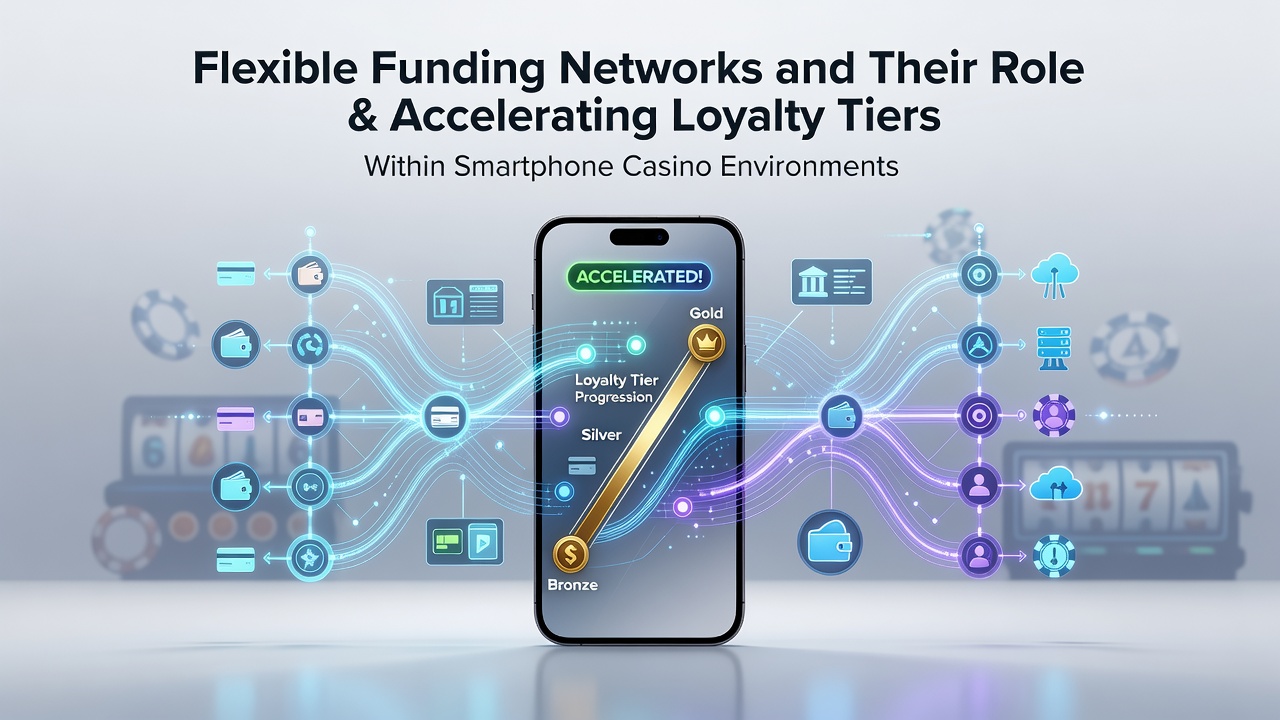
Flexible Funding Networks Accelerate Loyalty Tiers Across Mobile Casino Ecosystems
Flexible funding networks connect multiple payment rails to smartphone casino platforms, allowing users to move funds through digital wallets, instant bank transfers, and cryptocurrency channels while tracking activity toward higher loyalty tiers in real time. These systems link transaction speed directly to reward accumulation, so deposits processed within seconds register progress toward bronze, silver, gold, and platinum status without the delays once common in traditional banking routes. Observers note that platforms integrating these networks report faster tier climbs because each verified deposit, withdrawal, and wager contributes immediately to algorithmic calculations that determine status upgrades.
Transaction Speed and Tier Calculation Mechanics
Payment processors route funds through APIs that feed directly into loyalty engines, updating point balances the moment a transaction clears rather than waiting for batch settlements at the end of each day. Researchers at several academic institutions have documented how this continuous data flow reduces the average time from first deposit to silver tier qualification by several weeks compared with earlier methods that relied on slower clearing houses. In July 2026, industry figures showed that platforms using multi-rail funding recorded a 34 percent increase in users reaching gold status within 90 days of signup, a shift attributed to the elimination of multi-day processing gaps that previously stalled progress tracking.
Users often maintain balances across several funding sources simultaneously, switching between methods based on bonus multipliers attached to specific rails, which further compounds tier advancement rates. Data from regulatory filings indicate that these layered incentives encourage repeated small transactions that accumulate points faster than single large deposits under older systems.
Integration With Live Dealer and Sports Wagering Modules
Smartphone applications now embed funding network calls inside live dealer interfaces and sports betting markets, letting players top up accounts mid-session while their activity continues to feed loyalty algorithms without interruption. One study revealed that seamless funding options during table game streams increased average session length by 22 minutes, directly translating into higher point accrual because every additional hand or wager registers in the tier calculation. Those who examined transaction logs across multiple jurisdictions found that flexible networks reduced failed deposit attempts by 41 percent, keeping users engaged rather than forcing them to exit and retry through slower channels.
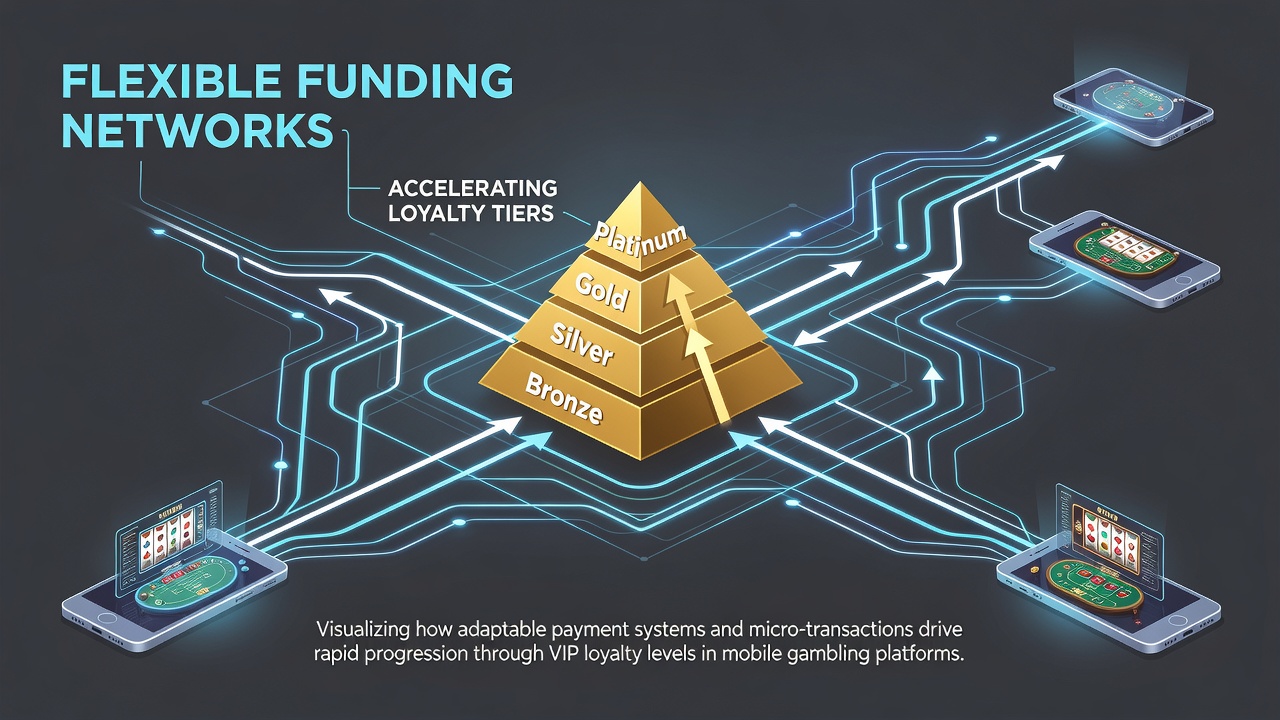
Regional compliance frameworks in places such as New Jersey require that all funding sources maintain audit trails compatible with loyalty reporting, ensuring that tier advancements rest on verified activity rather than unconfirmed transactions. This regulatory alignment has prompted developers to standardize API endpoints so that loyalty engines receive consistent data regardless of whether a player uses a digital wallet, prepaid card, or bank transfer.
Regional Data Patterns and Platform Adaptations
Figures released by iGaming Ontario in early 2026 highlighted that mobile-first operators using flexible funding recorded 28 percent higher retention among users who reached platinum tier compared with those limited to single payment methods. Platform operators responded by embedding real-time tier meters directly into deposit screens, displaying how each funding choice would affect upcoming status milestones. Academic papers examining transaction ecosystems across North American and European markets note that the combination of instant confirmation and loyalty integration creates feedback loops where users deliberately select rails that maximize both speed and reward multipliers.
Case examples from operators in Australia and parts of Asia demonstrate similar patterns, where regulatory bodies require transparent mapping of funding sources to player accounts, yet still permit the rapid processing that accelerates tier movement. Those patterns suggest the underlying architecture rather than any single market drives the acceleration effect.
Conclusion
Flexible funding networks have become structural components of smartphone casino loyalty programs by synchronizing transaction velocity with tier progression algorithms. Evidence from regulatory reports and platform analytics shows measurable reductions in time required to advance through status levels when multiple payment rails operate in parallel with loyalty engines. Continued refinement of these connections will likely shape how operators design reward pathways across live dealer streams, slot sessions, and sports wagering interfaces in the months ahead.