Exploring Interconnections Between Flexible Payment Systems and Loyalty Tier Progression in Multi-Device Slot and Sports Wagering Environments
Written by Iris Brooks · Aug 27, 2026
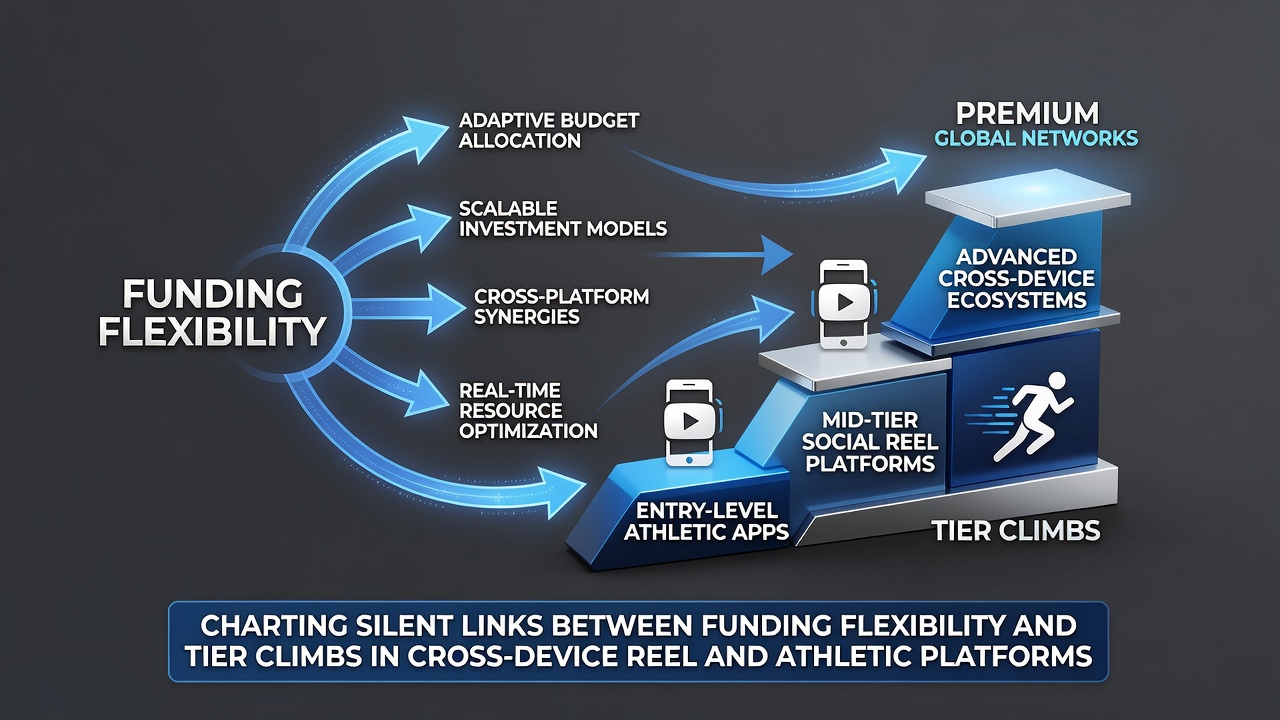
Exploring Interconnections Between Flexible Payment Systems and Loyalty Tier Progression in Multi-Device Slot and Sports Wagering Environments
Industry observers have documented steady growth in how transaction flexibility supports user advancement through loyalty structures on platforms that combine reel-based games with athletic event markets, and data from multiple regions shows these patterns holding steady into August 2026. Regulatory filings indicate that operators in North America and parts of Asia continue to expand payment rails, which in turn correlate with higher retention rates among users who engage across both slot sessions and live wagering interfaces on phones and tablets alike.
Payment Variety and Its Role in Platform Ecosystems
Operators have integrated multiple funding channels, from traditional bank transfers to digital wallets and instant card options, while users move between automated reel spins and real-time sports markets without leaving the same application environment. Figures from the Nevada Gaming Control Board reveal that mobile transaction volumes rose notably during the first half of 2026, with many of those increases tied to accounts that utilized at least three distinct payment methods over a six-month period. Those who've studied transaction logs note that accounts with broader funding access tend to accumulate the activity points required for tier movement at faster rates than single-method users.
Cross-device continuity plays a central part here, because seamless logins across phones, tablets, and occasionally desktops allow session data to flow into unified loyalty calculations, and this integration means a deposit made on one device can immediately contribute to progress tracked on another. Research from the American Gaming Association highlights how platforms that maintain consistent reward tracking across formats see stronger participation in combined reel and athletic features.
Status Advancement Patterns Across Regions
In markets such as New Jersey and parts of Australia, operators report that users who switch between funding sources during a single active period often reach mid-tier thresholds sooner than those who rely on one method, and this holds true whether the activity centers on slot reels or event-based wagers. Victorian Commission for Gambling and Liquor Regulation data from early 2026 shows similar trends in mobile-first environments, where flexible top-up options align with accelerated point accrual in blended gaming and betting applications.

One study released by a Canadian research consortium in spring 2026 examined several hundred thousand active accounts and found that accounts employing instant payment options alongside scheduled transfers posted higher average session counts, which directly fed into tier calculations. Observers note that these patterns appear most clearly in applications designed for continuous cross-device use, where a user might start a reel session on a commute and finish a live sports wager later from home without losing accumulated progress.
Technical and Regulatory Influences on Funding Flows
Platform developers have refined backend systems to recognize and reward varied transaction types, and this engineering supports the quiet linkage between funding choice and status growth. Compliance requirements in different jurisdictions encourage operators to maintain transparent records of all payment activity, which in turn provides the data backbone for loyalty algorithms that convert deposits and play volume into tier benefits. Those who've reviewed operator reports observe that jurisdictions with clear rules around mobile payments tend to show steadier tier movement statistics compared with regions still formalizing such frameworks.
Case examples from operators active in both the United States and Southeast Asia illustrate how localized payment preferences, such as regional e-wallets or card networks, feed into the same global loyalty engines, and this convergence allows users to climb tiers regardless of geographic payment norms. Data released in August 2026 by industry tracking services continues to show these cross-border consistencies in account behavior.
Future Tracking and Measurement Approaches
Analysts continue to refine metrics that isolate the contribution of funding flexibility to tier outcomes, and early models suggest that platforms offering real-time balance updates across devices achieve more predictable progression curves. Regulatory bodies in multiple regions require detailed reporting on transaction diversity, which supplies researchers with the raw material needed to map these connections more precisely over time. As mobile usage remains dominant, the documented links between payment variety and loyalty advancement are expected to stay central to platform design decisions through the remainder of 2026 and beyond.
Conclusion
The available evidence from regulatory filings, industry associations, and academic reviews points to measurable connections between the range of available funding options and the speed at which users advance through loyalty tiers on cross-device platforms that blend reel play with athletic wagering. These patterns have remained consistent through August 2026, supported by technical integrations that keep activity data unified across devices and payment types. Continued monitoring by oversight agencies and research groups will likely provide further detail on how these elements evolve in the coming months.