Digital Transaction Pathways Fueling Loyalty Tiers Across Mobile Live Gaming and Sports Wager Blends
Written by Iris Brooks · Jul 9, 2026
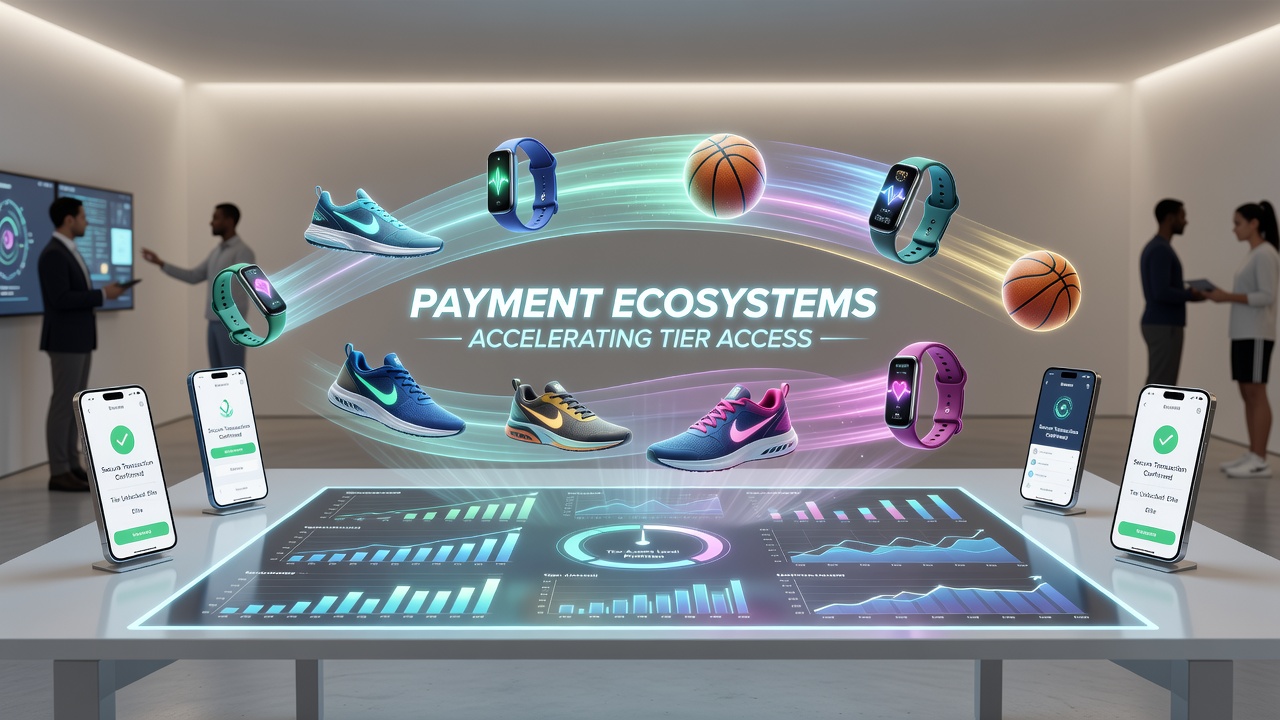
Digital Transaction Pathways Fueling Loyalty Tiers Across Mobile Live Gaming and Sports Wager Blends
Data from multiple regions shows payment ecosystems have become central to how users climb loyalty tiers in smartphone applications that combine live table streams with athletic event markets, and these systems operate through instant funding networks that track transaction volume alongside gameplay activity. Observers note the shift accelerated after 2024 when several operators integrated real-time processing tools that reduced settlement times from hours to seconds, allowing cumulative spend to register faster toward tier thresholds in blended environments where users switch between automated reels, live dealer tables, and live sports wagers within a single session.
Transaction Speed and Tier Calculations
Research indicates operators now calculate loyalty points using algorithms that incorporate deposit frequency, withdrawal patterns, and total handle across both table streams and sports markets, while payment providers supply the data feeds that feed these systems. According to figures released by the American Gaming Association in early 2026, mobile platforms handling combined live dealer and athletic wagers recorded a 47 percent increase in tier upgrades during the first half of the year compared with the same period in 2025, and analysts attribute much of that growth to faster payment rails that eliminate delays between funding an account and earning status credits.
Those who've examined operator dashboards report that users who complete deposits through instant methods often reach mid-tier status within three to four weeks, whereas traditional bank transfers require six to eight weeks for equivalent activity levels. This difference stems from how platforms record qualifying spend at the moment funds clear rather than after manual review cycles, and the pattern holds across multiple jurisdictions including regulated markets in the United States, Australia, and parts of Europe.
Integration Patterns in Blended Applications
Applications that merge live table streams with sports event cycles rely on unified wallets that treat every transaction type identically when determining tier progress, and payment ecosystems supply the backend infrastructure that makes this possible. Data shows many platforms now offer tier advancement bonuses tied directly to payment method usage, such as additional status points for employing digital wallets or instant bank transfers during live events. Figures reveal these incentives have prompted measurable changes in user behavior, with participants who activate multiple payment options advancing through tiers at higher rates than those limited to single methods.
Regional Regulatory Influences on Payment Tiers
Regulatory frameworks in different regions shape how payment data flows into loyalty calculations, and observers point to examples from the Australian Communications and Media Authority alongside the Nevada Gaming Control Board as illustrations of varied approaches. In markets where real-time reporting requirements exist, operators must log every deposit and withdrawal with timestamps that directly influence tier eligibility windows, whereas other jurisdictions allow batch processing that can create slight lags. Those who've studied compliance documents note these differences affect how quickly users see progress reflected in their accounts, yet the underlying payment ecosystems remain the common thread across borders.
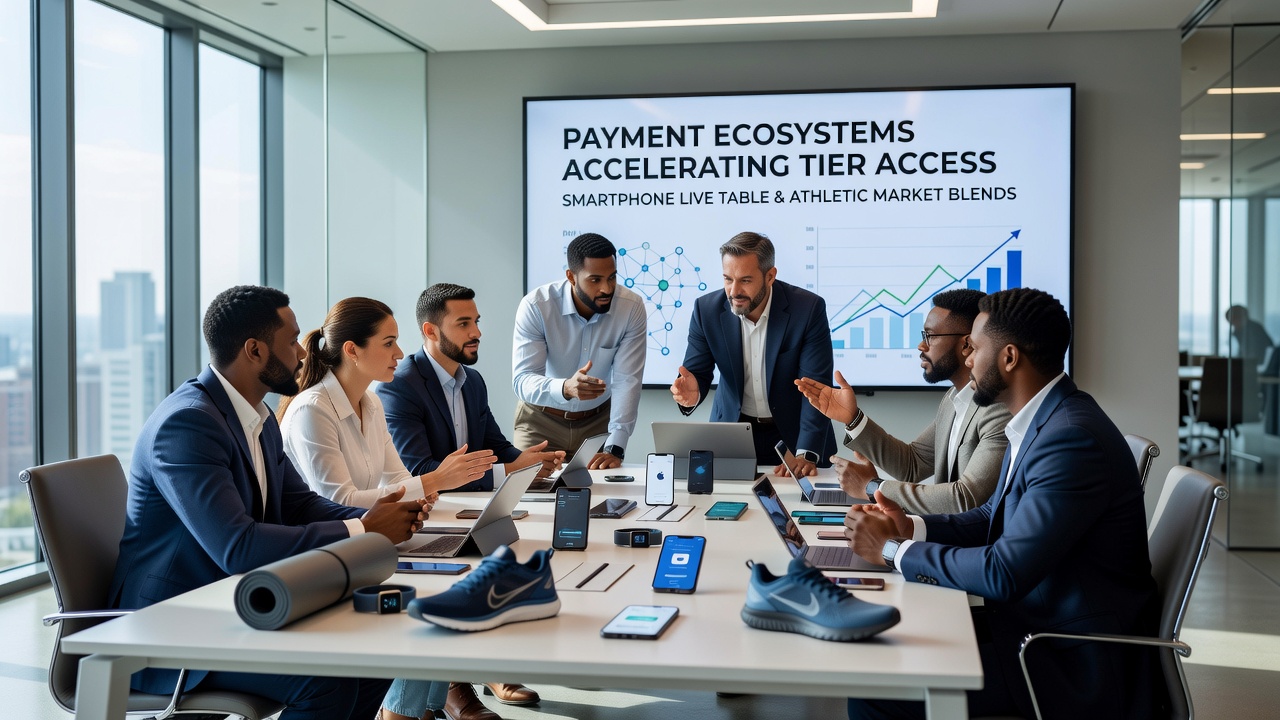
What's interesting is how some operators have begun publishing tier progression metrics broken down by payment type, and these reports indicate digital wallet users achieve higher average spend per session when engaging with both live table features and athletic markets simultaneously. Research from industry associations suggests this occurs because instant confirmation reduces friction during live events, allowing users to maintain momentum across table streams and wager cycles without interruption.
Case Examples from 2026 Operations
One documented case from a multi-state operator in July 2026 demonstrated that introducing a new instant payment partnership increased the number of users reaching the top loyalty tier by 31 percent within eight weeks, and the gains appeared most pronounced among participants who alternated between live dealer tables and in-game sports wagers. The same operator reported that average time to first tier upgrade dropped from 42 days to 19 days following the integration, according to internal metrics shared with regulatory bodies. Similar patterns emerged in Canadian provincial markets where payment speed directly correlated with faster accumulation of qualifying activity across blended mobile offerings.
Academic studies on user retention have started examining these payment-driven tier systems, and preliminary findings indicate that transparent tracking of transaction data within loyalty programs correlates with longer session durations when live table and sports elements are combined. Those reviewing the data emphasize that the acceleration effect depends on seamless API connections between payment processors and gaming platforms, which many operators strengthened throughout 2025 and into 2026.
Future Trajectory Based on Current Trends
Current trajectories suggest continued refinement of payment ecosystems will further compress the timeline between initial deposits and tier recognition in smartphone environments that blend live table streams with athletic markets, and operators continue testing new rails that promise even shorter settlement windows. Data collected through mid-2026 already shows measurable differences in tier distribution across user cohorts based on preferred funding methods, and these patterns are expected to influence product development priorities through the remainder of the year and beyond.
Conclusion
Payment ecosystems have established themselves as foundational components in determining how quickly users advance through loyalty structures on mobile platforms that integrate live table games with sports wagering features, and the mechanisms rely on real-time data exchange between transaction processors and gaming systems. Figures from regulatory and industry sources confirm the acceleration effect across multiple regions, while ongoing developments point toward even tighter integration in coming months. The result is a landscape where transaction speed directly shapes access to higher status levels within these blended gaming environments.